Cycling in the Couserans: Col de la Core, the Tour de France and the Best Rides
Your orientation guide to cycling in the Couserans: the Col de la Core climb, the region's Tour de France history, road routes for every level, mountain biking, and where to stay near Saint-Girons.
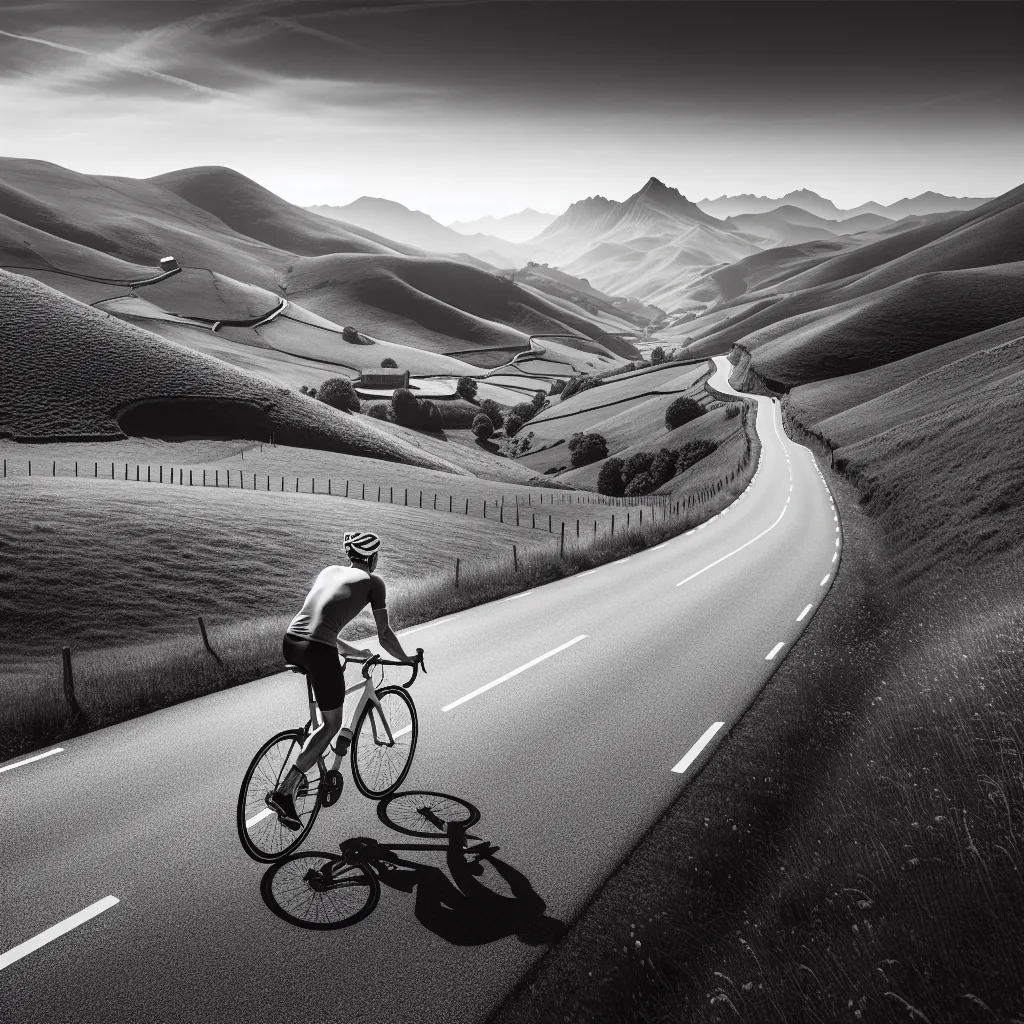
Cycling in the Couserans: A Rider's Introduction
The Couserans, centred on the market town of Saint-Girons, represents everything that makes French Pyrenean cycling special: Tour de France climbs rubbing shoulders with quiet valley roads, technical mountain-bike singletrack minutes from the door, and always those views that make you stop mid-ride just to take it in.
Ask most cyclists to name famous Pyrenean destinations and they'll say Tourmalet or Aubisque. The Couserans flies under the radar — you get the same scenery and genuine climbing without the crowds. This page is your orientation to the region: the signature Col de la Core climb, the area's real Tour de France history, road routes for every level, and the mountain biking (VTT) network, with links to our dedicated deep-dive guides on each.
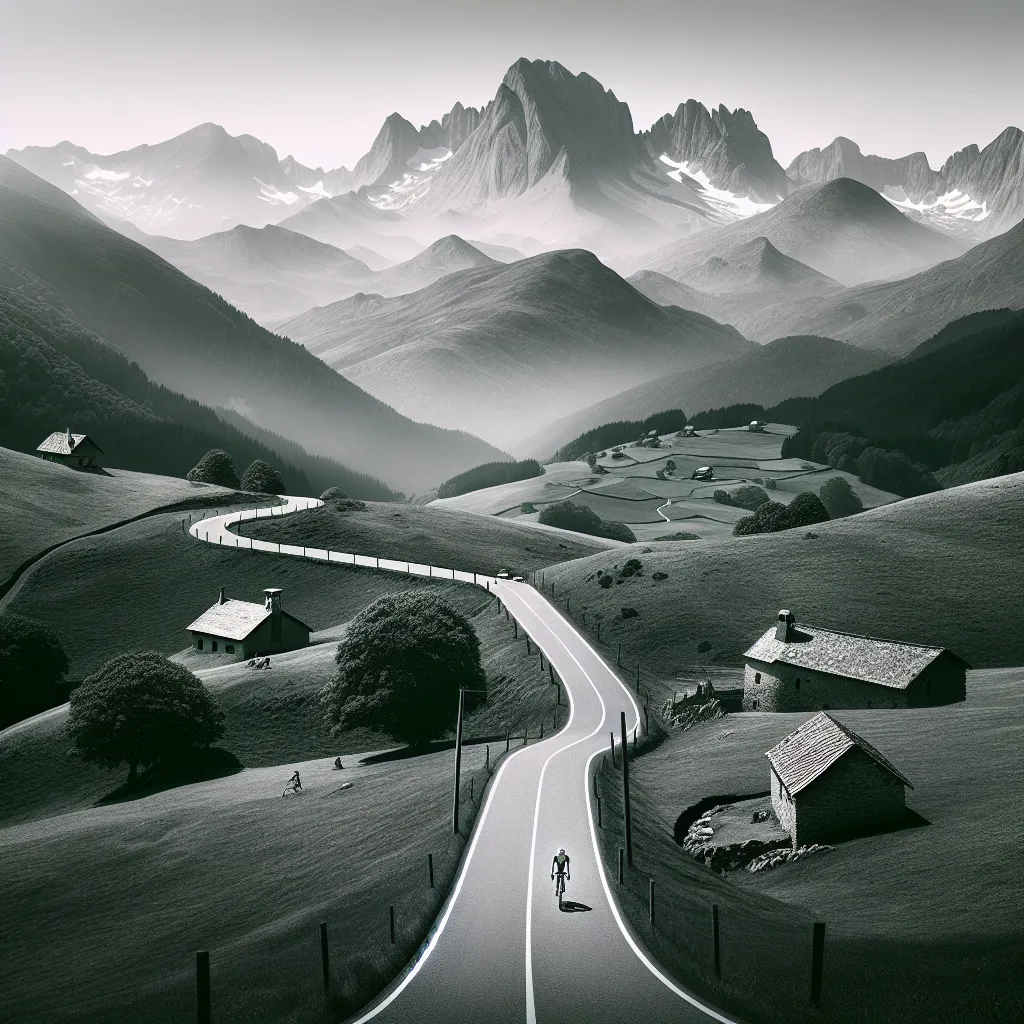
Col de la Core: The Region's Signature Climb
No cycling trip to the Couserans is complete without the Col de la Core (1,395m). From Castillon-en-Couserans it's 16.2km at an average 5.2%; from Seix, 13.8km at a steeper 6.4%. Both sides mix forested lower slopes with open, view-filled final kilometres, and the Tour de France has featured the climb repeatedly, most recently in 2015.
Many riders combine it with the shorter, savagely steep Col de Portet d'Aspet (4.3km at 9.7%) — home to the Fabio Casartelli memorial — for a full day's loop of around 120km and 2,500m of climbing. For the complete breakdown of both climbs, gradients and a suggested route, see our Col de la Core and Portet d'Aspet guide.
The Couserans and the Tour de France
This corner of Ariège has a genuine Tour de France history, not just a marketing angle. Guzet-Neige has hosted a Tour stage finish three times (most recently 1986), the Col de Portet d'Aspet carries the memory of Fabio Casartelli's fatal 1995 crash, and in July 2017 the race passed directly through Saint-Girons on Bastille Day, with Frenchman Warren Barguil taking a stage win over the Col d'Agnès and the Mur de Péguère that's still talked about locally.
If you want the full story, we cover the 2017 Bastille Day stage in detail in Bastille Day Glory: When the Tour de France Lit Up St Girons, and the region's broader Tour history — Casartelli, Barguil and decades of mountain stages — in Tour de France in the Couserans.
Road Routes for Every Rider
Easy valley routes (30–50km, minimal climbing): The valley roads along the Salat and Lez rivers offer gentle riding for recovery days or warm-ups — Saint-Girons to Castillon-en-Couserans and back, or the road to Seix, are both good, mostly flat options with cafés at either end.
Intermediate challenges (60–100km, 800–1,500m elevation): A classic loop runs from Saint-Girons through Castillon to the base of the Col de la Core, climbs partway for the views, then loops back via Seix and Massat — about 80km with 1,200m of climbing. Another favourite climbs to Guzet-Neige ski station, 14km of steady ascent followed by a thrilling descent.
Advanced epic rides (100km+, 2,000m+ elevation): The full Col de la Core crossing combined with Col de Portet d'Aspet makes a classic 120km loop with over 2,500m of climbing. Ambitious riders can retrace the 2017 Tour de France route from Saint-Girons to Foix via the Col d'Agnès and the Mur de Péguère — around 101km with 3,000m+ of climbing.
Mountain Biking in the Couserans
If you'd rather leave the tarmac altogether, the Couserans and the wider Ariège offer over 1,000km of marked VTT routes, from gentle foothill circuits around Saint-Girons and Moulis to serious high-mountain terrain near Guzet-Neige and further into the Ariège. For route recommendations, bike preparation and navigation advice, see our guides to mountain biking in Ariège and mountain biking in the Couserans.
Your Cycling Base in the Couserans
Saint-Girons itself makes an excellent hub — proper bike shops, good cafés, and roads leading directly to the best climbs. For a full cycling holiday, though, you want somewhere that combines that convenience with proper rest.
Château Pouech, in the heart of the Couserans near Saint-Girons, has built a reputation among visiting cyclists for exactly this balance: close enough to town for supplies, set in peaceful countryside for real recovery. Secure bike storage, comfortable rooms sleeping up to six across three double bedrooms, and hosts who understand early starts and long rides make the difference between a good cycling trip and a great one. If cycling is the main reason for your trip, our dedicated cycling holidays guide covers what a week here typically looks like.

Planning Your Cycling Holiday
Best time to visit: May through September offers the most reliable weather. June and September bring cooler temperatures and quieter roads; July and August are warmer, and occasionally coincide with the Tour de France itself passing through.
How long to stay: A long weekend covers one or two big climbs plus easy valley spinning. A week lets you tackle the major cols properly with recovery days between; ten days to two weeks lets you explore every corner, road and off-road.
What to bring: Pack for variable mountain weather even in summer, bring lights for long forested descents, and carry basic tools — Saint-Girons bike shops can help with anything more serious.
Fitness level: Be honest about your abilities. The easy valley routes are genuinely easy; the cols are genuinely hard. Build your week around what you can realistically handle, with rest days built in.
Conclusion: Your Couserans Cycling Adventure Awaits
The Couserans deserves to be mentioned alongside France's most famous cycling destinations: the climbs, the Tour de France pedigree, the mountain-bike network, and quiet roads that most cyclists never discover. With Saint-Girons as your hub and Château Pouech as your base, you're perfectly positioned to explore all of it — on road or off.
Related guides
Conquering the Cols: La Core and Portet d'Aspet
Full climb-by-climb breakdown of the Couserans' two signature Tour de France cols.
Bastille Day Glory: The Tour de France in St Girons
The story of the 2017 Tour de France stage that finished right in town.
Tour de France in the Couserans
Decades of Tour de France history in the valleys around Saint-Girons.
Mountain Biking in the Couserans
Technical VTT trails and Guzet-Neige riding for off-road cyclists.
Cycling Holidays in the Couserans
What to expect from a cycling-focused week at Château Pouech.
4 Star Holiday Home in the Ariege Pyrenees