Cèpes in Ariège: Where, When and How to Find Them
The complete guide to foraging cèpes (porcini) in Ariège: the best months, the Couserans forests to explore, the weather that triggers a flush, and how to identify a cèpe with confidence — with Château Pouech as your base.
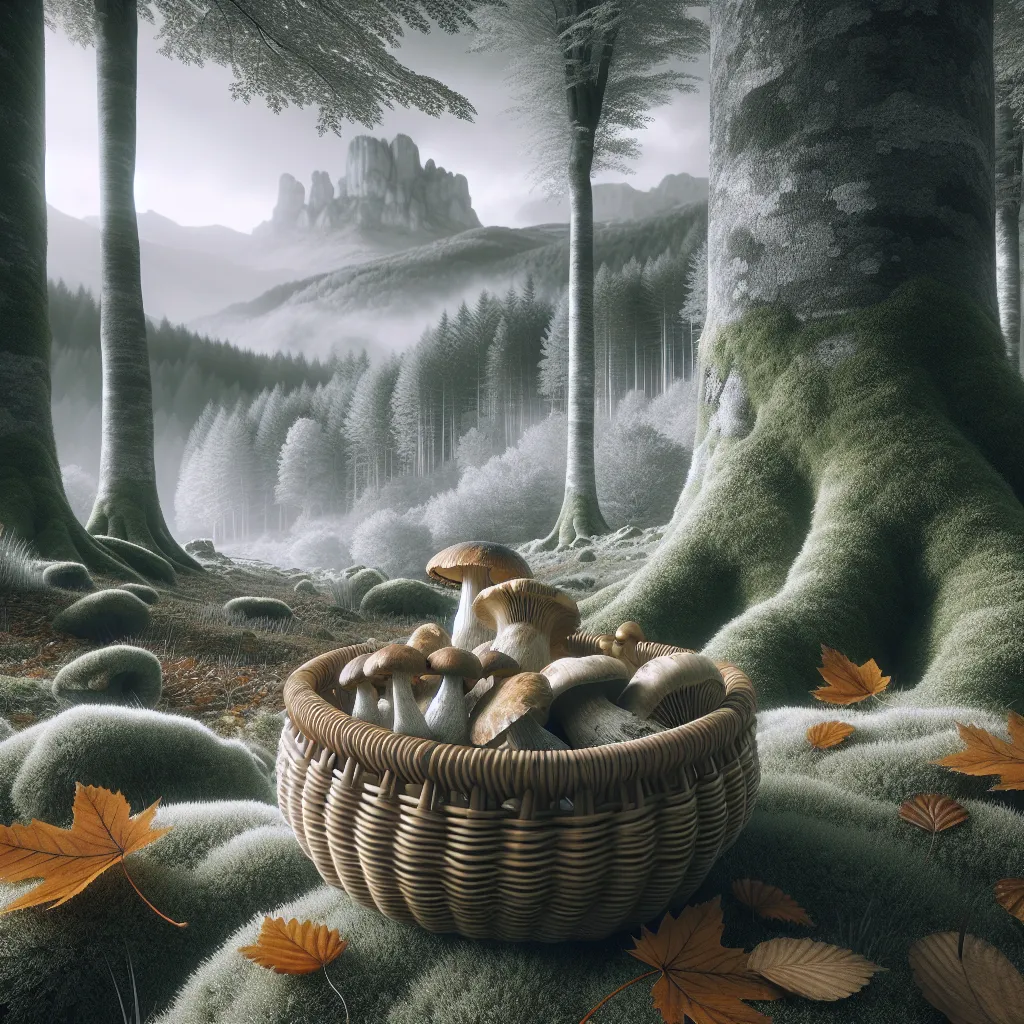
When to Find Cèpes in Ariège
The cèpe season in Ariège generally runs from late August to late November, but it's never perfectly regular — it shifts every year depending on rainfall, soil temperature and altitude. There's no fixed date, only a window during which you need to stay alert and ready to move.
In practice, that means tracking two things more closely than the calendar: warm rain events, and the gradual drop in temperature that pushes the harvest down from the high forests to the foothills as autumn progresses. Anyone staying a full week, rather than dropping in for a single day, has far better odds of catching a genuine flush.
Where to Look for Cèpes in the Couserans
The Couserans, the Ariège valley around Saint-Girons, packs an unusual diversity of forest types into a small area — a real advantage for foragers: beech-fir woods at altitude, oak and chestnut forests lower down, often less than an hour's drive from one another.
- Col de la Core and the hills around Massat (roughly 1,000–1,400m): mixed beech and fir forest, thick moss, fern understorey — classic Cèpe de Bordeaux territory from late August onwards.
- Massat and the Arac valley: more accessible woodland, a good alternative when the high ground is still too dry or already past its peak.
- Bélesta and the Pays d'Olmes: renowned beech forests a little further east that take over as the season moves into October.
- Saint-Girons and the immediate surroundings: lowland and foothill woods, often the last to produce, into November.
Look for mossy, shaded understorey with a bit of slope for drainage — cèpes hate standing water. Finding a good spot ('coin à champignons') is as much about reading the ground (moss, moisture, tree species) as it is experience, and the best-known spots are closely guarded by locals. The good news: Ariège has enough forest that there's room for everyone to find their own.
Note: some woodland is private, and some communes limit how much you can pick (often a few litres per person per day, by local decree). Check with the mairie or the ONF (French forestry office) before you go, and ask permission if you're unsure of a plot's status.
What Weather Brings on Cèpes
Cèpes follow a fairly predictable cycle, even if the exact timing varies: a good, warm rain in late summer or autumn, followed by a spell of mild weather (neither a heatwave nor a frost), triggers a flush roughly 7 to 12 days later. That lag is why so many local foragers watch the forecast more closely than the calendar.
The most favourable conditions combine:
- A substantial rain event (several tens of millimetres), not just a passing shower
- Mild overnight temperatures in the days after the rain (a hard frost stops a flush dead)
- Ground that stays damp without becoming waterlogged for several days
A dry autumn or an early cold snap, on the other hand, can seriously delay or shorten the season. Many local foragers track multi-day rainfall forecasts and compare them against previous years, rather than relying on a single outing — patience pays off more than rushing out after the first drizzle.
Cèpes in September, October and November
Late August–September: often the first wave, in the higher forests (Col de la Core, the hills around Massat, areas around 1,000m and above). Chanterelles and cèpes can appear together after the first late-summer storms.
October: usually the heart of the season. The harvest gradually moves down towards the foothill woods — around Saint-Girons, Massat, Bélesta — as nights cool at altitude. This is often the most reliable month for a week-long foraging trip.
November: the tail end of the season, carried by black trumpets, which love the fallen leaves, and sometimes one last push of cèpes in the lowest, most sheltered woods before the first hard frosts bring the season to a close.
These are general patterns rather than guarantees — every autumn has its own surprises, in both directions.
How to Identify a Cèpe
The Cèpe de Bordeaux (Boletus edulis, porcini) has several fairly reliable identifying features:
- The cap: brown, often paler at the edges, slightly sticky in damp weather, with a regular dome shape.
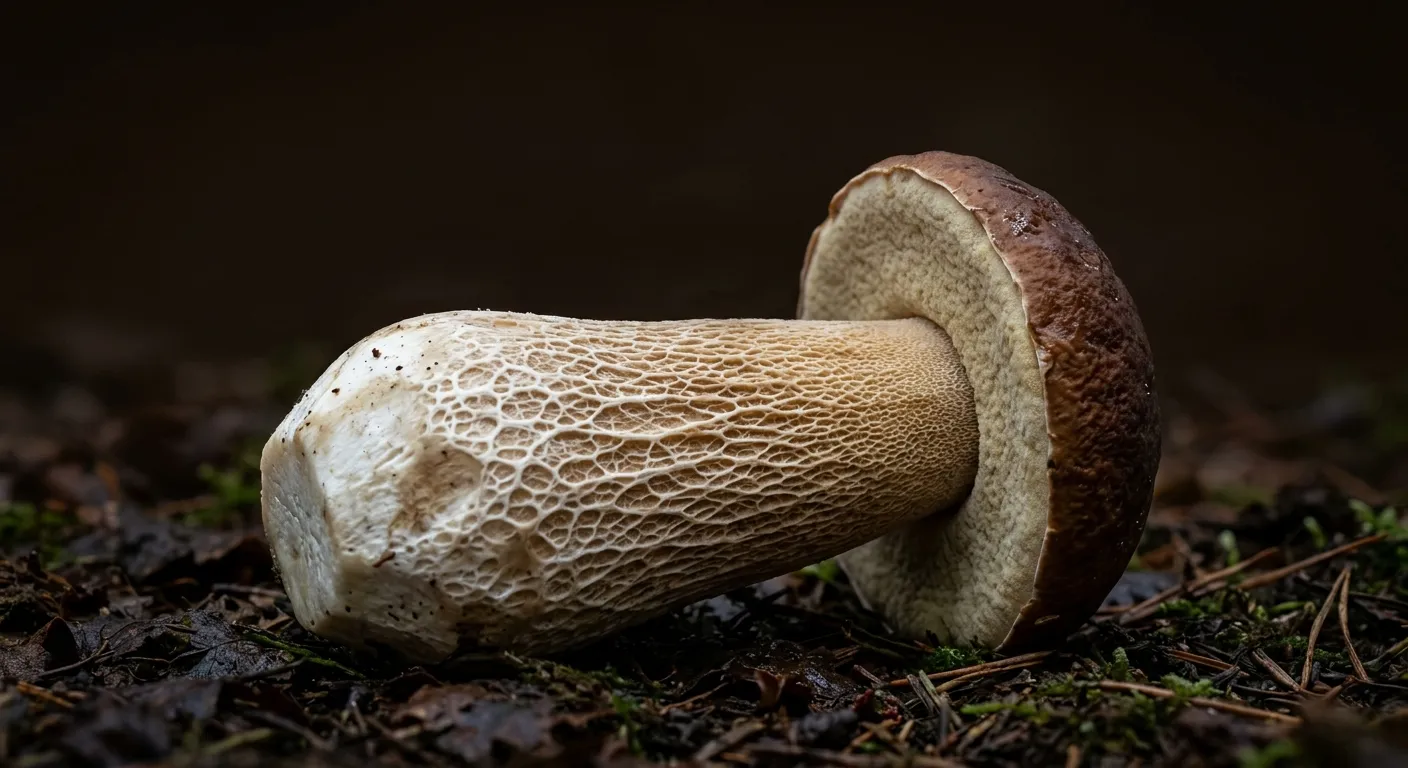
- The stem: thick and club-shaped, with a fine white net-like pattern (reticulation) raised on the surface, most visible towards the top — one of the most useful features for telling it apart from other boletes.
- The underside of the cap: not gills, but a spongy layer of small tubes or pores, whitish to cream in young specimens, gradually turning yellowish then slightly olive-green with age.
- The flesh: white and firm, and doesn't turn noticeably blue when cut.
- The smell: mild and pleasant, faintly nutty.
What to avoid: the bitter bolete (Tylopilus felleus), which looks very similar but has pores that turn pinkish and flesh that's intensely bitter to taste (harmless, but ruins a dish); and, more importantly, any bolete with red or orange pores, or flesh that bruises blue quickly and strongly — classic warning signs of toxic species such as the devil's bolete.
The one rule with no exceptions: if you're not certain, don't eat it. French pharmacies offer free mushroom identification, and local mycological societies often run guided autumn outings. No online guide, this one included, is a substitute for expert confirmation when you're unsure.
The Winning Trio: Cèpes, Chanterelles and Black Trumpets
Beyond the cèpe, two other species are well worth seeking out and extend the season in both directions:
- Chanterelles (girolles): these golden-yellow trumpets often grow in groups under deciduous trees, sometimes appearing as early as June after a storm, and lasting into autumn. Fruity, apricot-like aroma, firm texture that holds up well to cooking.
- Black trumpets: despite the ominous name, these are a delicacy — nicknamed the 'poor man's truffle' for their deep, earthy flavour. They hide in the fallen leaves of October–November, and pair beautifully with cèpes in the same pan, or dried for use through winter.
Other finds like hedgehog mushrooms and parasol mushrooms often round out the basket when the bigger prizes are slow to appear.

Where to Stay for a Week of Foraging
A successful foraging week depends as much on where you stay as on knowing the ground. Three things matter most:
A central location. Because rain never falls evenly across the whole département, being able to switch quickly between high forest and foothill woodland — without an hour's drive each time — meaningfully improves your odds of finding an active flush.
Room to sort and dry your haul. A good catch of cèpes and black trumpets needs sorting, brushing and often drying as soon as you're back. A gîte with a dedicated space (a utility room, a big table) saves you spreading everything across the sofa.
A proper kitchen. Nothing beats an omelette aux cèpes cooked the same evening you picked them. A well-equipped kitchen, with a decent pan and oven, turns the day's haul straight into dinner — genuinely zero-kilometre eating.
Mushroom Foraging Around Château Pouech
Château Pouech matches that brief closely. The gîte sits just 10 minutes from Saint-Girons — for the pharmacy if you need an identification checked, or the Saturday morning market — and a little over 45 minutes from the Ustou valley and the high forests of the Couserans, putting both the altitude beech-fir woods and the foothill forests around Massat and Bélesta described above within easy driving reach.
The 110m² gîte sleeps up to six people across three double bedrooms, with a sofa-bed for two extra guests and a baby cot available — plenty of room for a family or a group of foraging friends. It has a fully equipped kitchen for cooking your haul that same evening, a wood stove for the cooler late-autumn evenings, and a separate WC/utility room for spreading out, brushing and drying mushrooms and damp clothing without taking over the rest of the gîte. Outside, a private terrace and garden look out over the Pyrenees — a good spot to sort the day's basket in the evening light.
Being based centrally in the Couserans also means you can chase the rain rather than be at its mercy: if it's stayed dry around Massat, head towards Bélesta and the Pays d'Olmes; if the high ground is still too cold, the lower woods around Saint-Girons take over. That flexibility, more than any single 'secret spot', is what makes the difference over a full week of foraging.

4 Star Holiday Home in the Ariege Pyrenees